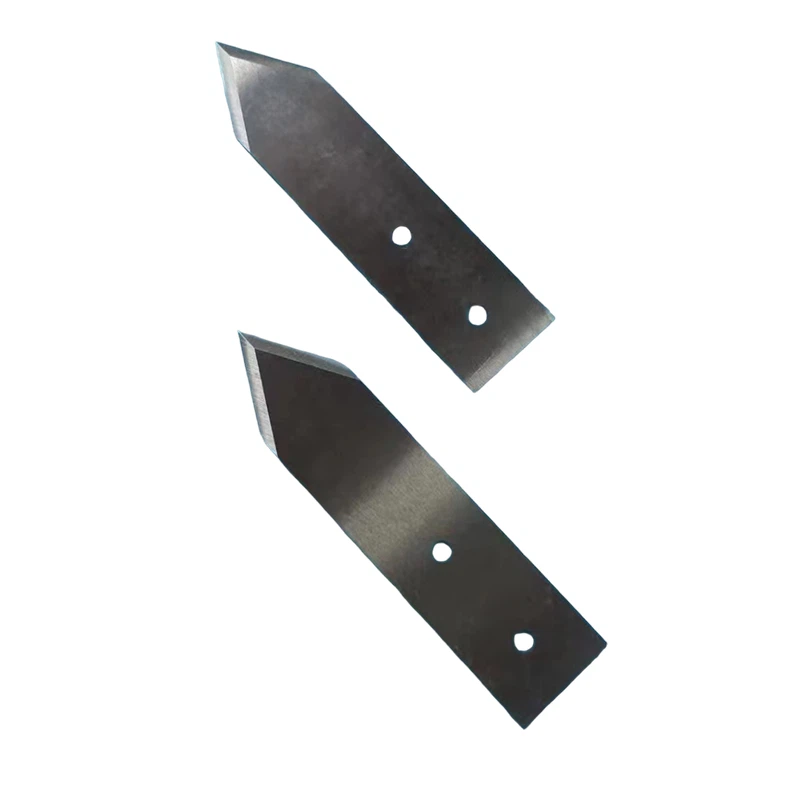
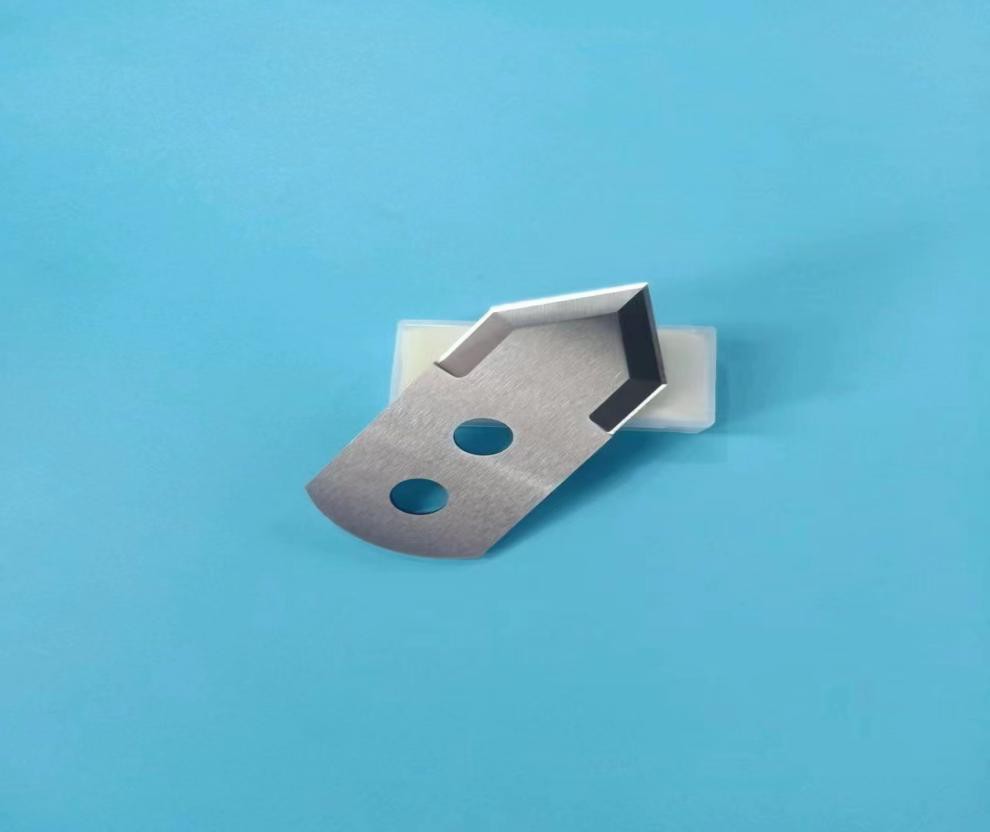
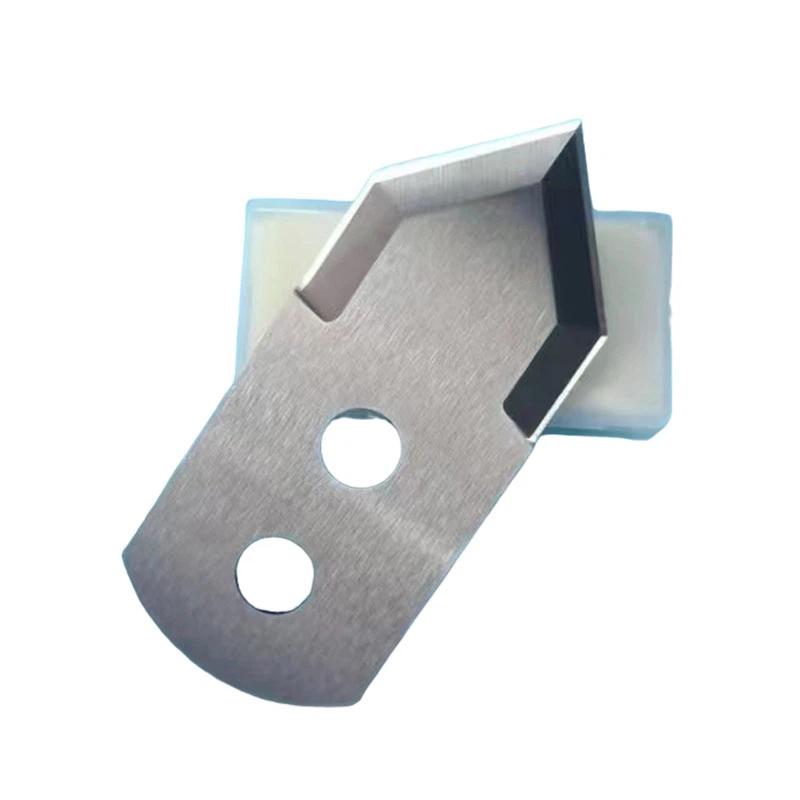
Description
High Temperature Resistance
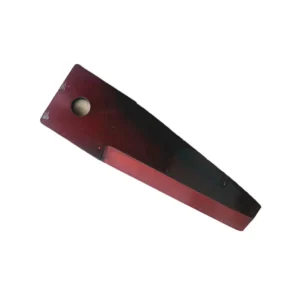
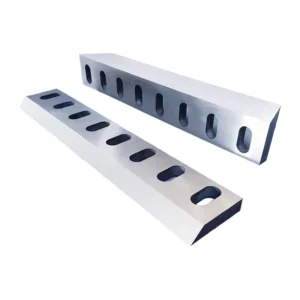
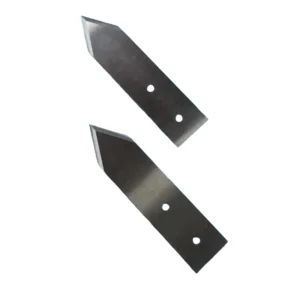
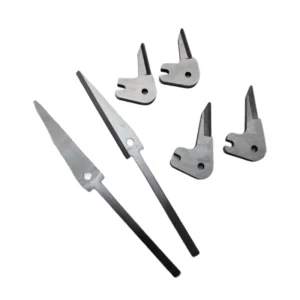
The laminating machine blade can stably withstand a high temperature of 500℃, and can maintain cutting performance even if it generates heat due to friction during long-term operation.
High Precision
During processing, CNC grinding tools and ultra-precision technology control the edge flatness error of the laminating machine blade within ±0.0015mm, and the cutting accuracy reaches ±0.05mm, meeting high-precision requirements.
Waterproofness
The laminating machine blade is coated with a 0.07 micron thick nano polytetrafluoroethylene (PTFE) coating through a chemical vapor deposition (CVD) process. The coating forms a dense molecular grid, and the contact angle of water molecules exceeds 110°, making it impossible to adhere and penetrate. Even in an environment with 80% humidity, it can operate continuously for 500 hours without rusting.
Product Application
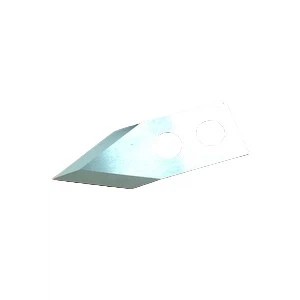
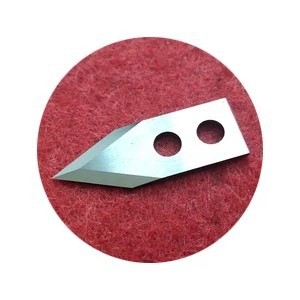
1, Printing and packaging industry
- Usage: Used for cutting laminating materials for various printing materials such as coated paper and corrugated cardboard.
- Advantages: Sharp blades can cut neatly to ensure that the laminating material is tightly adhered to the surface of the printing material.
2, Advertising industry
- Usage: Cutting laminating materials for advertising posters, flyers, etc. according to the set size and shape requirements.
- Advantages: Sharp blade tips can accurately cut to ensure a smooth and flawless laminating effect for advertising products.
3, Album production field
- Usage: Used for laminating the inner pages of albums to ensure that photos are well adhered to the laminating material.
- Advantages: Smooth and flat blade can prevent bubbles or wrinkles and protect photos from damage due to external factors.
4, Electronic manufacturing industry
- Usage: Used for cutting laminating materials of electronic components such as circuit board protection films and display screen coatings.
- Advantages: High hardness and wear resistance of the blade ensure that no damage is caused to electronic components during cutting.
5, Medical equipment industry
- Usage: Used for cutting laminating materials for packaging of medical instruments and equipment.
- Advantages: Sterile treatment and precise cutting ability of the blade ensure the safety and hygiene of the packaging of medical equipment.
6, Textile and leather processing industry
- Usage: Used for cutting surface protection films of textiles and leather materials.
- Advantages: Sharpness and wear resistance of the blade make the cutting edges smooth to prevent bubbles or wrinkles during laminating.
Installation steps
1. Preparation Work
- Shut Down Power: Before installing the blade, make sure the laminator is already turned off and the power supply is disconnected to ensure safety.
- Clean the Blade: Clean any debris or residue left on the new blade and the old blade on the blade holder to prevent affecting the installation and performance of the new blade.
- Check the Blade: Inspect the new blade for any manufacturing defects, such as cracks, chips, or irregular edges.
2. Blade Alignment
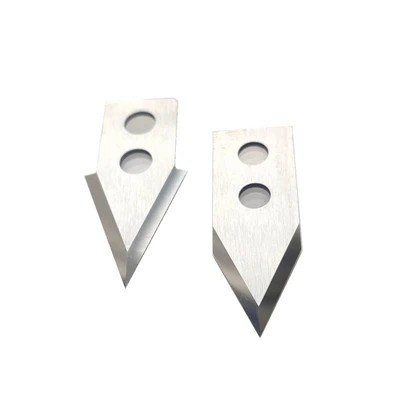
- Hole Position: Align the holes on the blade with the holes on the slitter machine blade holder. Ensure that the blade is parallel to the blade holder to ensure cutting straightness.
- Initial Fixation: If the blade is fixed with bolts, first insert the bolts into the blade holes, then align with the holes on the blade holder, gently place the blade down, allowing the bolts to pass through the blade holder.
3. Securing the Blade
- Using Bolts: If using bolts to secure the blade, tighten the bolts evenly with a wrench or screwdriver. Be careful not to over-tighten to avoid damaging the blade or blade holder.
- Using Slots: If the blade is secured through slots, place the blade correctly in the slot to ensure it does not move or shake. - **Magnetic Fixation**: If the blade is fixed magnetically, place the blade on the magnetic blade holder to ensure a strong adhesion.
4. Adjusting the blade:
- Adjusting height: Adjust the height of the blade as needed to ensure proper contact with the laminating material. This is typically done by adjusting the adjustment screws on the blade holder.
- Adjusting angle: If necessary, adjust the angle of the blade to meet specific cutting requirements. This may involve adjusting the position of the blade on the blade holder.
5. Blade testing
- Empty load testing: Run the laminating machine without any laminating material to check if the blade operates smoothly, without any abnormal noise or vibration.
- Loaded testing: Run some laminating materials through the machine to test the cutting effect of the blade. Check if the cutting is smooth, precise, without burrs or uneven edges.
6. Final Inspection
- Check Fastening: Double check all bolts or fastening devices to ensure the blades will not loosen during high-speed operation.
- Clean and Maintain: After installation, clean the blades and blade holder to ensure no residue of fingerprints or oil stains. Regularly inspect the wear of the blades and replace as needed.
FAQ
Q: Why choose us?
Q: Do you test all your products before delivery?
Q: Do you provide samples? Are they free or do they come at an additional cost?