
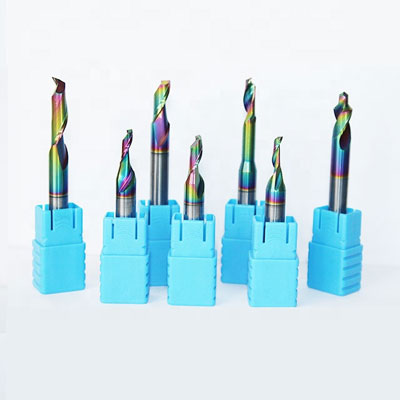
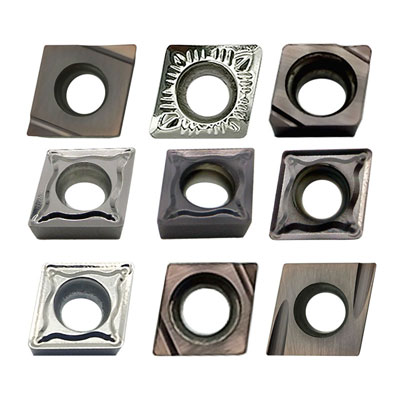
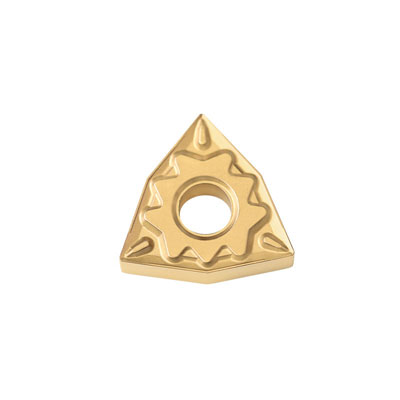
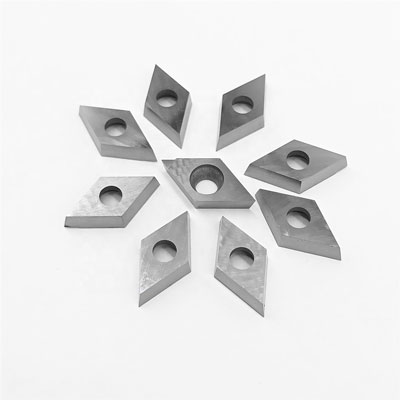
Robots require a large amount of fine, complex and high-quality parts. Tools for robot machining are the precision cutting tools used in conjunction with the robot system, such as end mill, drill, lathe tool, boring tool, etc. They are controlled by computer programs based on big data with extreme accuracy to perform cutting, milling and drilling on a variety of materials such as robot composites.
Big Brother Knives possesses 15 years of experience in milling tools. We offer both OEM and ODM services, providing customized milling solutions designed to address the unique challenges of robotic parts manufacturing—whether for structural housings, joints, actuator assemblies, or robotic arms.
| Comparison Dimensions | Robot CNC cutting tools | Ordinary CNC machine tool cutting tools |
|---|---|---|
| rigidity | Short overhang, lightweight | Standard size, minimal overhang restriction |
| Cutting parameters | The standard value decreased by 10% to 30%. | Using standard parameters |
| Tool structure | Vibration-resistant knives | Standard cutting tools |
| Clamping requirements | Radial runout ≤0.005mm | conventional |
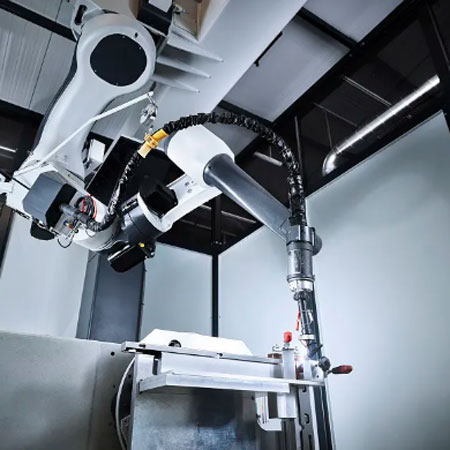
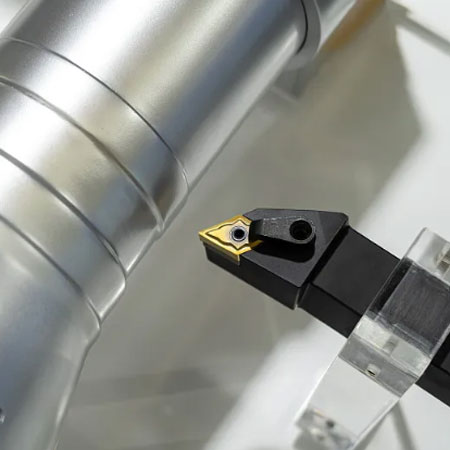
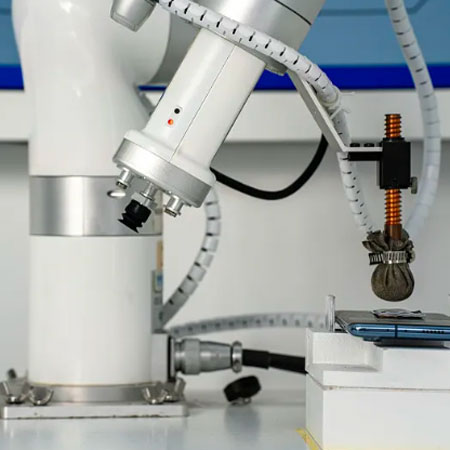
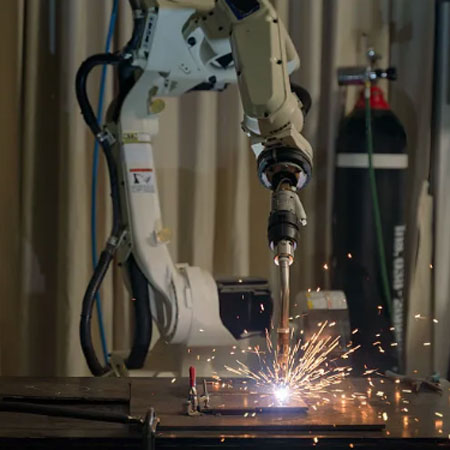
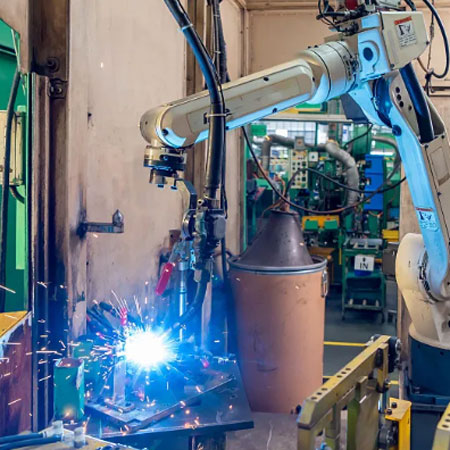
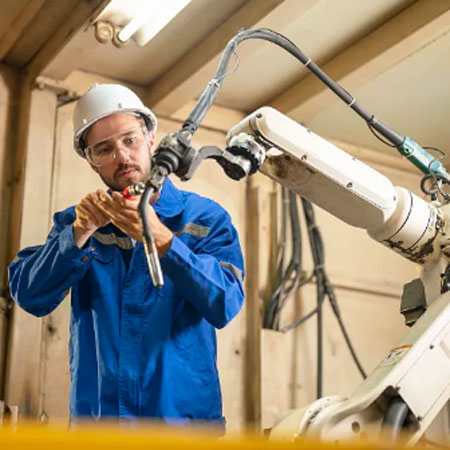

Typical Components: Reducers, Joint Housings, Bearing Housings, Linkage Structural Components
Materials: Titanium Alloys, Alloy Steels, Aluminum Alloys
Machining Challenges:
• Micron-level dimensional tolerances
• Extremely demanding requirements for low surface roughness
• High requirements for roundness and concentricity
Big Brother Knives Solutions:
• Low-radial-force end mills, enabling the precision finishing of thin-walled components
• Utilization of MDT grooving tools, featuring reinforced cutting edges that ensure consistent machining performance
• Diamond-coated or PCBN tools, enabling precise dimensional control in joint and motion-related components
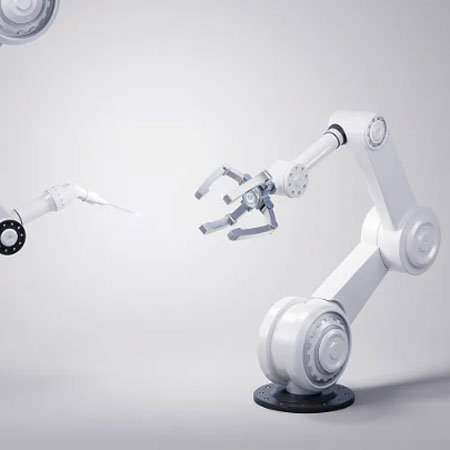
Typical Components: Robot Arms, Robot Bases, Waist Turntables
Materials: Aluminum Alloy, Cast Aluminum, Stainless Steel, Waist Turntables
Machining Challenges:
• Localized thin-wall sections and uneven deformation
• Strict precision tolerance requirements
• Programming and integration complexity
Big Brother Knives Solution:
• Utilization of short-shank, high-rigidity tools
• Incorporation of force sensors to ensure surface quality
• Application of carbide tools, coupled with continuous optimization of cutting edge geometry
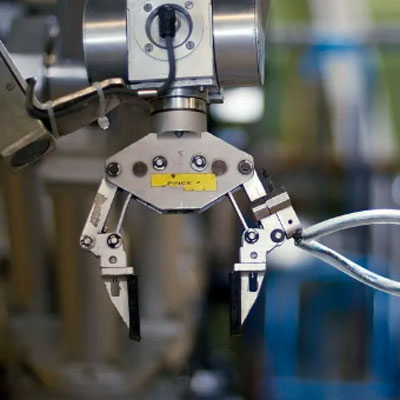
Typical Components: RV Reducers, Transmission Interfaces, Gears and Racks
Materials: Alloy Steel, Hardened Steel
Machining Challenges:
• Strict requirements for micron-level precision
• Continuous precision machining
• Tool wear control during long production cycles
Big Brother Tooling Solutions:
• Ultra-precision 3-axis milling as a substitute for grinding
• Optimized cutting tool parameters to enable shallow depths of cut and fine feed rates, integrated with digital and intelligent control systems
• Machining of high-hardness materials and post-processing heat treatments
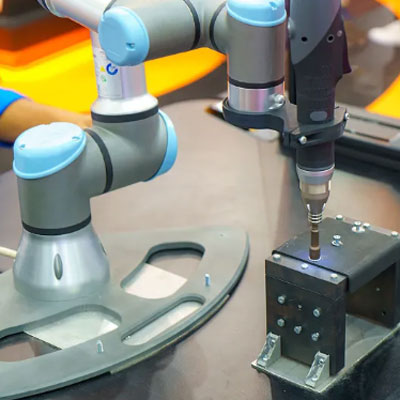
Typical Components: Joint Housings, Precision Housings, Compact Components
Materials: Aluminum Alloys, Titanium Alloys, Composite Materials, Sensor Structures
Machining Challenges:
• High difficulty in thin-walled machining
• High requirements for vibration control technology
• Strict surface and precision tolerance standards
Big Brother Tooling Solutions:
• Low cutting forces in end mills
• Thermal stability control
• Micro-vibration control
DLC: Anti-sticking blades for aluminum components in robotic arms
TiAlN: High-temperature resistant steel for gears and shafts
TiCN: High wear resistance for robotic applications
Okay, you can send us the drawings of the cutting tool, and we will create a completely customized tool for you based on your robot's payload, spindle parameters, internal workpiece interference geometry, and other information, so that we can design it together.
Universal compatibility is not recommended. Robot handles will use specialized tool holders with higher precision, higher clamping rigidity, and lighter weight.
Common causes include: 1. Excessive robot arm vibration; 2. High cutting parameters; 3. Long tool overhang; 4. Loose clamping force.
Solutions: 1. Shorten the tool overhang; 2. Reduce the cutting speed; 3. Strengthen the tool holder and fixture, and optimize the robot's motion trajectory.
100pcs
ISO 10218、ISO 9001